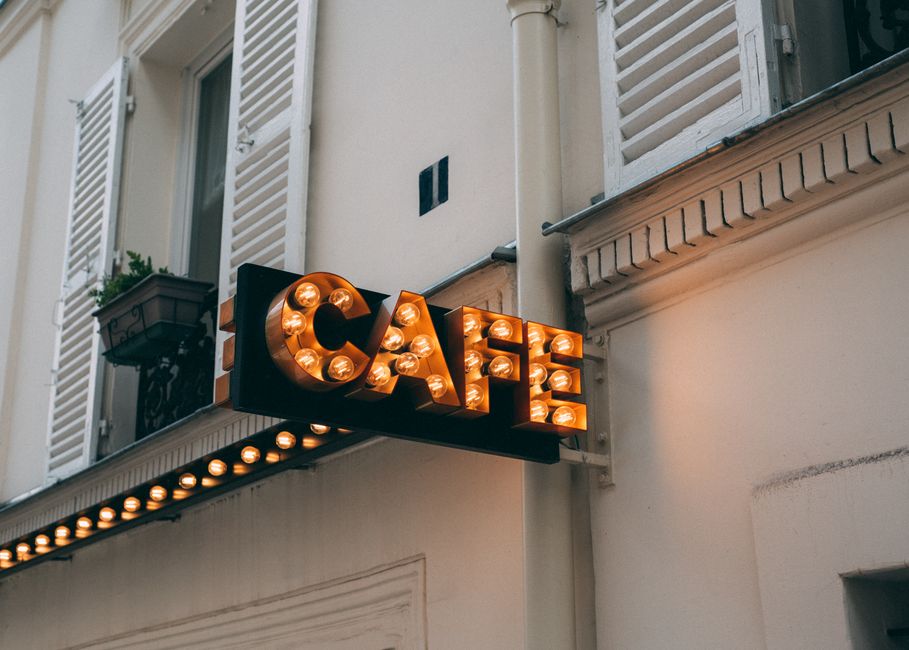
Your storefront sign is often the first thing a potential customer sees. It's your chance to make a strong impression and communicate who you are before anyone walks through your door. The good news? Branding your storefront with signs is totally doable, and it doesn't have to be complicated.
When you brand your storefront with signs, you're doing much more than just putting up a nameplate. You're creating a visual system that tells your story, reinforces your identity, and guides customers to you. Let's break down how to do this right.
Related: Storefront Signs La Habra CA: Design & Installation Guide
Related: Storefront Signs Murrieta CA: Design & Installation Guide
Start With Your Main Sign
Your primary storefront sign is the anchor of everything else. This is the sign people spot from the street, from their cars, or as they walk by. It needs to be impossible to miss.
Here's what makes a main sign work:
- Your business name, clear and readable from a distance
- Your logo prominently displayed (if you have one)
- Simple, professional design that reflects your brand personality
- Colors and fonts that match your overall brand identity
The size matters too. Your main sign should be proportional to your storefront and visible from at least half a block away. Don't go so big that it looks desperate, but don't make people squint to read it either.
If you're not sure about the best size or placement for your location, Wholesale Signs & Printing can evaluate your storefront and recommend what works best for your specific space and traffic patterns.
Add Window Graphics and Door Lettering
Your main sign gets attention, but your windows and doors are where you seal the deal. These high-touch points create a cohesive brand experience and give passersby a reason to look closer.
Window graphics can include:
- Your logo and tagline
- Information about what you offer
- Current promotions or announcements
- Hours of operation
- Contact information or website
Door lettering reinforces your brand every single time someone enters. Consistency is key here. If your main sign uses a specific font, use the same font on your door. If your brand colors are navy and gold, repeat that combination. These small details train the brain to recognize your identity instantly.
The goal is to create a visual system where every piece of signage feels like it belongs together. When everything matches, your brand looks professional and intentional, not like it was thrown together piece by piece.
Use Signage for Announcements and Promotions
Static signs tell people who you are. Dynamic signage tells them what's happening right now.
A-frame sidewalk signs, window decals, and interior posters let you broadcast grand openings, seasonal sales, new services, or limited-time offers. These signs create urgency and give someone a specific reason to walk in today instead of tomorrow.
This type of signage is especially powerful because it can change. You're not stuck with the same message forever. Update your promotional signs monthly, weekly, or even daily depending on your business. The movement and change actually catch people's eyes better than static signage.
Integrate Lighting Into Your Branding Strategy

Here's a hard truth: your sign doesn't work if nobody can see it. Once the sun goes down, your signage disappears unless you light it up.
Built-in LED lighting, fluorescent tubes, or spotlights transform your signs from daytime assets into 24-hour brand ambassadors. Lighting does two things:
- It makes your sign visible and readable at night
- It adds visual interest and professionalism that catches attention even during the day
The type of lighting you choose matters. Warm white light feels welcoming and works well for restaurants, salons, and retail. Cool white or bright white light feels modern and works for tech, professional services, or contemporary brands. Some businesses even use colored lighting to match their brand personality.
Lighting also affects how people perceive your business. A well-lit sign suggests you're established, professional, and open for business. A dark, unlit sign suggests the opposite.
Consistency Across All Signage
The real power of storefront branding happens when every sign tells the same story.
Create a simple brand guidelines document that covers:
Related: Professional Lettering Styles for Signs: Complete Guide
Related: Sign Repair in Costa Mesa, CA: Complete Guide
Related: Sign Installation Permits & Regulations: A Complete Guide
Related: How to Measure Letters for a Sign: The Complete Guide
- Your logo and how it should appear
- Your primary and secondary colors (use the exact same colors everywhere)
- Your font choices (pick one or two and stick with them)
- Spacing and layout rules
- How your messaging should sound
When you apply these rules to your main sign, window graphics, door lettering, and promotional signage, you create recognition. Customers start to identify your brand instantly, even if they can't quite read the sign yet. That's the sign of good branding.
Think About Placement and Visibility
A beautiful sign in the wrong spot won't work. Before you design anything, think about where people are looking and where your storefront sits in the landscape.
Ask yourself:
- Do pedestrians walk toward your store or away from it?
- Is your storefront on a busy street with lots of foot traffic?
- Are there trees, poles, or other objects blocking the view?
- Do you have street-level visibility, or are you set back from the road?
- What's the speed of traffic? (Drivers going fast need simpler, larger signs.)
Your signage strategy should match your location. A busy downtown corner calls for bold, large, simple signage. A shopping mall storefront might need something different. A professional office building requires a more understated approach.
When you're ready to bring your storefront branding vision to life, Wholesale Signs & Printing handles everything from design and fabrication to installation, so your signs fit perfectly into your space and look exactly how you imagined them.
Wholesale Signs & Printing
Get a Free Quote →Coordinate Interior and Exterior Branding
Your storefront sign is the exterior face of your brand, but the interior should feel like the same business. If your exterior is modern and minimalist, your interior signage should match that feel. If your exterior is bold and colorful, carry that energy inside.
Interior signage includes:
- Wall graphics and murals
- Wayfinding signs (directing customers where to go)
- Product or service displays
- Checkout signage
- Motivational or informational wall text
The consistency between inside and outside creates a seamless brand experience. It tells customers that you've thought things through and that you care about every detail of how they experience your business.
Measure and Adjust Over Time
Once your signage is up, pay attention to how it performs. Are customers finding you? Are they asking about your promotions? Are new customers saying they saw your sign?
Ask new customers how they heard about you. Track which promotions draw traffic. Notice if certain signs get more comments or questions than others. This real-world feedback helps you understand what's working and what needs adjustment.
Branding is not a set-it-and-forget-it project. As your business evolves, your signage can evolve too. Maybe your colors change, your services expand, or your target customer shifts. Your signs should reflect where you are as a business today.
People Also Ask
What's the most important sign for a storefront?
Your main storefront sign is the most important. It's the first impression and the element that draws people in. Everything else supports that main sign, so make sure it's professional, visible, and clearly displays your business name and logo.
How do I choose colors for my storefront signage?
Choose colors that match your brand identity and stand out in your specific location. If you're surrounded by neutral storefronts, bold color can help. If you're in a colorful area, you might need to go bold or sophisticated to stand out differently. Think about what emotion you want customers to feel when they see your sign, and choose colors that create that feeling.
Does lighting really matter for storefront signs?
Yes. Lighting extends your sign's visibility beyond daylight hours and adds visual appeal and professionalism. A lit sign looks established and welcoming. An unlit sign after dark becomes invisible, which means you're losing potential customers in the evening and night hours.
Can I change my storefront signage later?
Absolutely. You don't need to commit to anything permanent. Promotional signs, window graphics, and door lettering can all be updated, changed, or replaced as your business evolves. Your main sign should be durable, but everything else is flexible. Use that flexibility to test ideas and keep your branding fresh.
Wholesale Signs & Printing
Get a Free Quote →