
When your storefront goes dark, your sign goes invisible. That's a problem if you're open in the evening, hosting late-night events, or competing for attention in a busy commercial area.
The good news? Outdoor sign visibility at night isn't complicated. It comes down to three proven techniques: lighting, reflective materials, and smart design choices. Let's walk through each one so your business stays noticed 24/7.
Why Nighttime Sign Visibility Matters for Your Business
Here's what most business owners miss: your sign works twice as hard at night. During the day, natural light, foot traffic, and competing signs all blur together. At night, a well-lit sign becomes a beacon.
A lighted storefront sign does two things at once. It tells people you're open. It also builds brand recognition by staying visible when competitors fade to black. For restaurants, gyms, salons, and retail shops with evening hours, nighttime visibility directly impacts foot traffic and customer attention.
Related: Sign Installation Permits & Regulations: A Complete Guide
Related: Sign Repair in Costa Mesa, CA: Complete Guide
Related: Sign Installation in Buena Park, CA: A Business Owner's Guide
Related: Sign Design for Retail Storefronts: A Complete Guide
Related: How to Brand Your Storefront With Signs: Complete Guide
The challenge is this: not every lighting solution works for every sign. Your choice depends on your budget, your sign type, your location, and how late you stay open. That's why Wholesale Signs & Printing works with clients to match lighting strategies to real operational needs—not just aesthetic preferences.
LED Backlighting: The Most Effective Nighttime Solution
LED backlighting is the workhorse of nighttime signage. Here's why it works so well.
An LED backlit sign creates a halo effect around the sign edges. Light radiates outward, making the entire sign glow rather than just illuminating the face. This effect is powerful in darkness because it catches the eye from a distance, even in busy urban areas.
LEDs remain effective 24/7, maintaining visibility regardless of time of day or weather conditions. Unlike older neon or incandescent options, LEDs use minimal power, stay cool to the touch, and last for years without frequent replacement.
The technical advantage is simple: LEDs emit consistent, directional light. You control the color temperature (warm white for a welcoming feel, cool white for a modern edge, or custom colors for brand-specific looks). Backlit signs work especially well for channel letter signs, cabinet signs, and dimensional letter applications where you want light to come from behind the letterforms.
Reflective Materials: Passive Visibility Without Extra Power
Not every sign needs electricity to be visible at night. Reflective materials offer a passive alternative that works with existing ambient light.
Reflective elements significantly enhance nighttime visibility, even in low-light conditions. They work by bouncing available light (from streetlights, passing car headlights, or nearby building lights) back toward viewers. The result is a sign that "glows" without drawing power or requiring installation of electrical systems.
Reflective materials work best for:
- Monument signs in suburban or rural areas with good streetlight coverage
- Vehicle wraps that need visibility when parked at night
- Directional or wayfinding signs along parking lots or entryways
- Budget-conscious applications where backlighting isn't feasible
The trade-off is real, though. Reflective materials depend on ambient light sources. On a very dark night with no nearby streetlights, a reflective sign will be less visible than a backlit one. But for many locations, reflective vinyl or reflective paint treatments offer solid nighttime presence at a fraction of the LED cost.
Spotlighting: Strategic Illumination for Maximum Impact
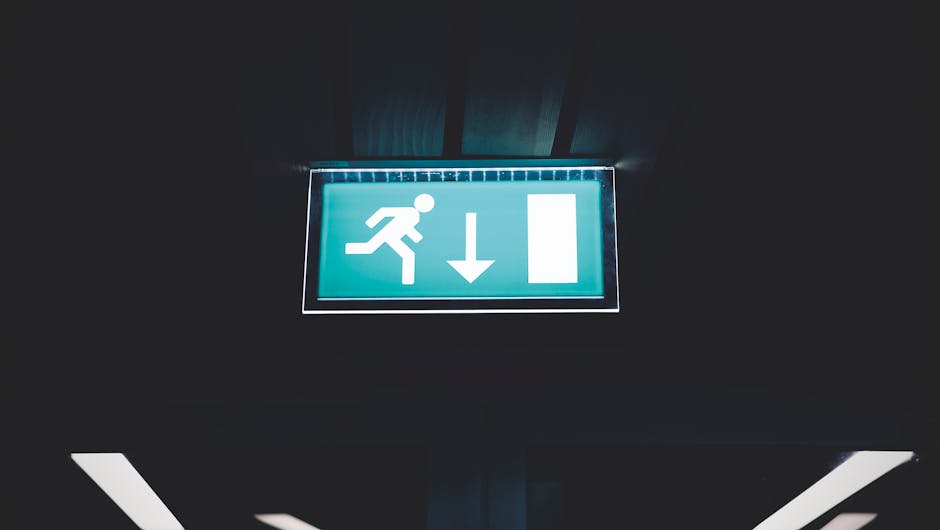
Spotlighting is an effective supplementary technique that works alongside your main sign strategy. Instead of lighting the sign from within or using reflective elements, spotlights aim light at the sign from outside.
A spotlight mounted on a nearby pole, roof, or landscape feature beams light directly onto your sign face. This technique is especially popular for:
- Summer events or seasonal promotions where temporary visibility matters
- Late-night retail or restaurant operations needing dramatic visibility
- Monument or exterior building signs that benefit from accent lighting
- High-traffic commercial areas where competing for attention is essential
Spotlighting gives you flexibility. You can adjust beam angle, intensity, and even color using modern LED spotlights. Many business owners use spotlighting as a secondary layer on top of reflective materials or with moderately lit signs to punch up visibility during peak evening hours.
Combining Techniques: The Layered Approach
The best outdoor sign visibility at night comes from combining multiple techniques rather than relying on a single method.
Think of it like this: LED backlighting is your foundation. It works all night without external light sources. Add reflective materials to your lettering or borders, and you get bonus visibility when spotlights or streetlights hit them. Then layer in a focused spotlight during your busiest evening hours for maximum impact.
For example, a restaurant might use LED backlighting on the main storefront sign, reflective vinyl on the address numbers for wayfinding, and a spotlight on the building facade during dinner service hours (5 PM to 10 PM). Together, these layers create a cohesive, highly visible nighttime presence.
The investment scales with your needs. A startup might start with just reflective materials. A growth-stage business might add LED backlighting to the primary sign. An established restaurant with premium positioning might employ all three strategies.
Design and Color: Critical Factors for Nighttime Readability
Lighting technology only works if people can actually read your sign. That means design and color selection matter just as much as the light itself.
Sign readability and color selection are critical components of effective outdoor advertising, especially at night. High contrast is essential. Dark lettering on a white or light background remains readable under backlighting. Neon colors (bright yellows, oranges, electric blues) naturally pop under LED lighting.
Avoid these nighttime readability killers:
- Light gray text on a light background (disappears under backlighting)
- Serif fonts smaller than 4 inches (too hard to read from a distance at night)
- Overly busy designs with multiple competing elements (confuses the eye in low light)
- Colors that wash out under your chosen lighting type (test samples before final fabrication)
Professional sign designers understand how different lighting affects color perception. A color that looks perfect in daylight can look muddy or washed out under LED light. That's why working with experienced partners like Wholesale Signs & Printing makes a real difference—they test lighting scenarios during design review so you don't get surprises after installation.
Wholesale Signs & Printing
Get a Free Quote →Matching Your Lighting Strategy to Your Business Hours

Not every business needs the same nighttime visibility solution. The right choice depends on when you're actually open and what you're trying to accomplish.
Signage effectiveness should match operational hours. A 9-to-5 office might skip LED backlighting entirely and rely on reflective materials for security and wayfinding after hours. A 24-hour convenience store or late-night gym needs robust LED backlighting as a baseline. A seasonal event venue might use temporary spotlighting only during its operating window.
Ask yourself these questions:
- What time does your business close on weeknights? Weekends?
- How dark is your location after sunset? (High foot traffic, streetlights, or truly remote?)
- What's your annual energy budget for sign lighting?
- How long do you expect the sign to last, and what's your maintenance tolerance?
- Are you trying to compete with nearby businesses for attention, or simply mark your location?
Your answers shape whether you need backlighting, reflective materials, spotlighting, or a combination. A quick conversation with experienced sign professionals can save you thousands in unnecessary spending or regrettable underperformance.
Installation and Maintenance Considerations
Once you've chosen your lighting strategy, installation and maintenance become your next focus. LED-backlit signs require electrical work. Reflective materials need periodic cleaning. Spotlights need occasional relaiming or repositioning.
LED backlighting installations typically involve running conduit from your sign to a nearby power source, installing transformers, and connecting LED modules. This is not a DIY job. Improper electrical work creates safety hazards and voids warranties. Professional installation from a shop like Wholesale Signs & Printing ensures your sign meets local electrical codes and performs reliably for years.
Maintenance is straightforward for most systems. LED-backlit signs need occasional cleaning inside the cabinet to prevent dust buildup on the lens. Reflective materials benefit from annual cleaning to restore surface brightness. Spotlights should be checked seasonally to ensure proper aiming and bulb condition.
Budget for this upfront. A yearly sign-cleaning visit is far cheaper than ignoring maintenance and watching your sign gradually fade into invisibility.
Common Mistakes to Avoid
Here's what we see go wrong most often.
Mistake #1: Assuming one lighting method solves everything. It doesn't. The most visible signs use layers.
Mistake #2: Choosing lighting based on aesthetics alone without testing color behavior under actual lighting conditions. That trendy salmon-pink lettering looks great in the design mockup but might look washed out or orange under your LED system.
Mistake #3: Installing lighting without considering local codes and electrical requirements. Some municipalities regulate sign brightness or require permits. Oversights here mean costly rewiring later.
Mistake #4: Skipping professional installation to save money. Cheap electrical work fails, creates safety risks, and often costs more to repair than proper installation would have cost initially.
Mistake #5: Forgetting that nighttime visibility is just one part of sign strategy. A backlit sign is useless if it's positioned where people don't look, mounted too high to read, or facing the wrong direction for foot traffic.
Getting Professional Help with Outdoor Sign Lighting
Outdoor sign visibility at night is a solved problem if you approach it systematically. You need the right technology, smart design choices, and professional installation.
Whether you're planning a new sign or upgrading an existing one to be more visible after dark, the process should include three steps: assessing your location and operational hours, choosing the right lighting technology mix for your goals and budget, and working with experienced professionals for design, fabrication, and installation.
If you're ready to explore options for your specific situation, professional sign shops can walk you through the full decision process, show you real examples of how different lighting performs, and give you honest recommendations based on your location, budget, and goals.
Frequently Asked Questions
Does LED backlighting work in all weather conditions?
Yes. LED backlit signs are designed to withstand rain, snow, extreme temperatures, and UV exposure. The key is proper installation with weatherproof seals around electrical connections and quality lens materials that resist fogging or cloudiness over time. Professional installation matters here—poor weatherproofing is a common failure point.
How much does it cost to add LED backlighting to an existing sign?
Cost varies widely depending on sign size, location, and whether electrical service is already nearby. Get quotes from local sign shops for accurate pricing based on your specific project.
Can reflective materials replace LED backlighting for nighttime visibility?
Reflective materials work well in areas with good ambient light (streetlights, nearby building light, regular vehicle traffic). In truly dark locations, they're noticeably less visible than backlighting. Many businesses use both: reflective materials as the baseline and LEDs for maximum impact during peak hours. It depends on your location's light conditions and how visible you need to be.
How often do LED sign lights need replacement?
Quality LEDs typically last 50,000-100,000 hours—that's roughly 5-10 years of nightly use. They don't burn out suddenly like older bulbs; they gradually dim over time. When you notice dimming, it's time for replacement. Maintenance costs are minimal compared to older neon or incandescent systems, and LEDs use a fraction of the electrical power.
Wholesale Signs & Printing
Get a Free Quote →