
If you're shopping for custom signs, you've probably run into the same question: should you go digital printing or screen printing? Honestly, there's no one-size-fits-all answer. The right choice depends on your design, your budget, and how many signs you're ordering. Let's break down both methods so you can make a decision that actually works for your business.
What's the Difference Between Digital and Screen Printing?
Screen printing and digital printing are two totally different processes, and understanding how they work is the first step to choosing between them.
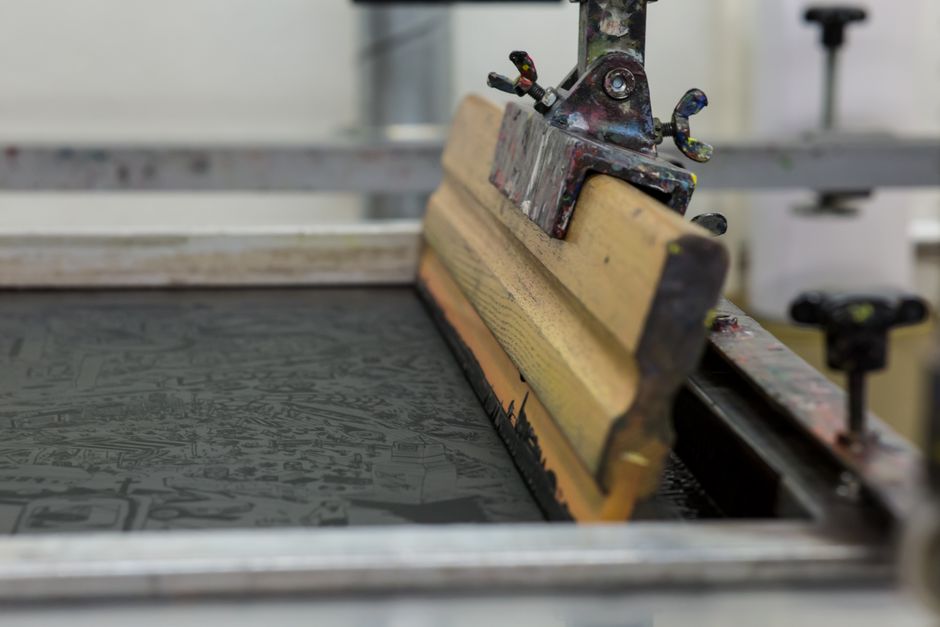
Screen printing uses a stencil-based method. Your design gets burned onto a mesh screen, and then ink gets pushed through that screen onto your sign material. Each color requires its own separate screen. It's been around for decades, it's proven, and when done right, it produces vibrant, durable results.
Digital printing works like an oversized inkjet printer. There's no screen, no stencil, and no color separation. Your design goes straight from your computer to the printer in full color, with unlimited color options and photographic detail. It's fast, flexible, and requires almost zero setup.
The key difference: screen printing excels at high-volume, simple designs, while digital printing handles complex, full-color work with ease. Wholesale Signs & Printing uses both methods depending on what your project actually needs, rather than forcing one method on every job.
Cost Comparison: When Screen Printing Wins
Here's where things get real: screen printing has a higher upfront cost, but it pays off when you're ordering in bulk.
Screen setup costs money. You need to prepare the screens, which means color separation, screen burning, and testing. For a three-color design, you're looking at three screens, three setups, three rounds of labor. That initial investment grows with the complexity of the design.
But once you've paid for those screens, the per-unit cost drops dramatically. On a large order, that setup cost is spread across every sign, so the setup cost per sign becomes small. The larger the order, the smaller it gets.
Digital printing flips the equation. There's almost no setup. Your design goes straight to print. This makes it unbeatable for small runs, one-offs, and projects where you need fast turnaround. The per-unit cost stays higher, but you're not subsidizing expensive screen prep work.
The rule: Order 50+ identical signs? Screen printing usually wins on price. Need 10-20 signs or a variety of designs? Go digital.
Design Complexity and Color Limitations
This is where digital printing shows its strength. If your design includes gradients, photographic images, or more than six colors, digital is the move.
Screen printing handles solid colors beautifully. A three-color logo on a sign looks crisp and professional. A five-color design still works. But a full-color photo? A gradient sunset? Complex artwork with 20+ colors? Screen printing becomes impractical because you'd need 20 separate screens, which kills your budget instantly.
Digital printing doesn't care. Throw as many colors as you want at it. Photorealistic images, gradients, fine detail, intricate patterns—digital handles all of it in one pass.
That said, screen printing does produce a slightly different look. The ink sits on top of the material with more texture and visual pop. For bold, graphic designs, some businesses prefer that tactile quality. Digital produces a flatter, more refined finish.
Turnaround Time: Digital Takes the Speed Crown
Need signs fast? Digital printing runs circles around screen printing.
Digital printing turnaround is typically 3-5 business days from approval to shipment. No waiting for screens to cure, no color separation delays. You approve the design, it prints, and you're done.
Screen printing requires more time. Color separation, screen burning, setup, and test prints add days to your timeline. You're looking at 7-10 business days minimum, and longer if there are revisions or if the printer is backlogged.
If you need signs next week, digital is your answer. If you're planning ahead and ordering in volume, screen printing's slower timeline is worth the cost savings.
Durability and Longevity
Both methods produce durable signs when done right, but the durability depends on materials and environment more than the printing method itself.
Screen-printed signs using quality inks and proper curing hold up extremely well to outdoor elements, UV exposure, and regular wear. The ink bonds deeply with the material, which is why screen printing is the gold standard for fleet graphics and high-traffic environments.
Digital printing durability has improved significantly in recent years. Modern digital inks, especially when combined with protective coatings or laminates, are weather-resistant and fade-resistant. For indoor signs or signs under cover, digital prints last just as long. For harsh outdoor environments with constant sun exposure, screen printing still has a slight edge.
The real factor isn't the printing method—it's the quality of materials and finishing. A cheap digital print on thin material will fade faster than a quality screen print on premium substrate. But a quality digital print with a protective laminate will outlast a poorly executed screen print every time.
Material Compatibility
Different sign materials play better with different printing methods.
Screen printing works on almost anything: vinyl, fabric, wood, metal, plastic, glass. Because you're pushing ink through a screen onto a surface, the substrate is flexible. This is why screen printing dominates for banners, vehicle wraps, and specialty materials.
Related: Vinyl vs Metal Signs: How to Choose the Right One
Related: How to Brand Your Storefront With Signs: Complete Guide
Related: Professional Lettering Styles for Signs: Complete Guide
Digital printing works best on rigid substrates: PVC foam board, acrylic, metal panels, corrugated plastic, and cardboard. Some digital printers can handle fabric and vinyl, but performance varies. If you need signs on unusual materials, screen printing is often more versatile.
When planning your project, think about what your sign will be printed on. If it's a standard rigid substrate like foam board or aluminum, both methods work. If it's banner material or fabric, screen printing is your better bet.
When to Choose Digital Printing
Pick digital if any of these apply to your project:
- You need fewer than 50 signs
- Your design includes photographic images or gradients
- You need more than six colors in your design
- You need a quick turnaround (under 7 days)
- You're ordering multiple different designs
- Your budget is tight for setup costs
Digital works for retail signage, real estate signs, promotional displays, limited-run prints, and any project where design flexibility matters more than per-unit cost.
When to Choose Screen Printing
Go with screen printing if:
- You're ordering 50+ identical signs
- Your design uses solid colors or simple graphics
- You need a sign that will withstand heavy outdoor use
- Cost per unit matters more than upfront investment
- You want that textured, high-impact ink finish
- Your material is fabric, banner material, or specialty substrate
Screen printing is ideal for large production runs, brand consistency across multiple locations, fleet graphics, outdoor signage, and businesses ordering signs regularly.
Related: Large Format Printing in Irvine, CA: What You Need to Know
How to Make the Final Decision

Start by answering three questions:
1. How many signs do you need? If it's under 50, lean digital. Over 100, lean screen printing.
2. What's your design? Photos or gradients? Digital. Solid colors? Either works, but screen printing will be cheaper at volume.
3. What's your timeline? Tight deadline? Digital. Planned ahead? Screen printing often saves money.
Honestly, the easiest move is to talk to someone who understands both methods. Wholesale Signs & Printing works with both technologies and can recommend the best approach for your specific project, budget, and timeline. Sometimes the answer is hybrid—digital for one phase and screen printing for another. Sometimes it's one method and you don't need the other at all. The point is matching the method to the job, not forcing every job into one category.
Wholesale Signs & Printing
Get a Free Quote →Hybrid Approaches and Custom Solutions
You don't have to pick just one method. Some of the smartest sign projects use both.
Example: You need 500 yard signs for a real estate campaign. Screen printing produces the base design with solid colors—cheap and durable. Then digital printing adds custom details to each sign (address, agent photo, QR code). This gives you the cost savings of screen printing with the flexibility of digital customization.
Or maybe you're launching a seasonal promotion. Screen printing handles your evergreen core design in bulk. Digital printing handles the promotional overlay that changes monthly. You get consistency and flexibility without reprinting everything each season.
The best signage solutions often aren't about picking one winner. They're about using the right tool for each part of the job. Experienced teams at places like Wholesale Signs & Printing think about your entire project lifecycle, not just the initial print run.
Environmental and Quality Considerations
Both methods have environmental footprints, though they differ.
Screen printing uses water-based or plastisol inks. Setup requires chemical preparation and screen cleaning uses solvents. It's labor-intensive but produces minimal waste per sign once setup is complete. At high volumes, the environmental cost per unit decreases significantly.
Digital printing uses ink cartridges and produces less chemical waste per print, but cartridge disposal and ink production have their own environmental impact. Digital's advantage grows when you consider that setup waste (test prints, screen prep, color adjustments) disappears.
For quality, both methods produce professional results when executed properly. The difference comes down to craftsmanship, equipment maintenance, and using quality materials. A shop that cuts corners on either method will produce inferior results. A shop that invests in good equipment and training will nail both.
This is another reason to partner with professionals who stand behind their work and understand the technical details of each process.
Getting Started With Your Sign Project
Ready to move forward? Here's what you need to know before contacting a sign shop:
- How many signs do you need?
- What's your budget?
- When do you need them finished?
- Do you have a design, or do you need design help?
- Where will the signs be used (indoor, outdoor, vehicle)?
- What material do you prefer or have you considered?
These details help any professional shop recommend the right printing method and provide accurate quotes. And if you're not sure about the answers to some of these, that's fine—a good partner will help you figure it out.
Whether you end up with digital printing, screen printing, or a combination of both, the goal is the same: signs that look great, hold up well, and help your business get noticed. That's what we focus on at Wholesale Signs & Printing—working with you to find the solution that actually fits your needs and budget, not just selling you what's easiest for us to produce.
Frequently Asked Questions
Which printing method is cheaper for large orders?
Screen printing becomes cheaper per unit for orders over 50-100 signs because the initial setup cost gets spread across many units. Digital printing costs more per unit but has almost no upfront setup, making it better for small runs.
Can digital printing handle outdoor signs?
Yes, modern digital printing with protective coatings is weather-resistant and UV-resistant. For heavy outdoor use or salt-air environments, screen printing has a slight durability edge, but quality digital prints hold up well for most outdoor applications.
Related: Digital Printing Quality for Outdoor Signs: What Actually Matters
How long does each printing method take?
Digital printing typically takes 3-5 business days from approval to delivery. Screen printing takes 7-10 business days because of color separation, screen burning, and setup time. Timelines vary by shop and complexity.
Can I use both methods on the same sign?
Absolutely. Some projects use screen printing for the base design and digital printing for custom details or variable information. This approach combines the cost savings of screen printing with the flexibility of digital printing, and professionals can recommend when this hybrid approach makes sense for your project.
Wholesale Signs & Printing
Get a Free Quote →