
Your vehicle wrap is one of the best investments you can make for mobile advertising. But here's the real question: how long will it actually last? Professional vehicle wraps typically last between 3 to 7 years, with most installations landing in the 3 to 5-year sweet spot when maintained properly. Some high-quality wraps can push closer to 10 years under ideal conditions, but that's the exception, not the rule.
The truth is, vehicle wrap durability isn't just about the material. It's about how you treat it, where you park it, and what kind of climate you're dealing with. We're going to break down exactly what affects how long your wrap sticks around, how to keep it looking sharp, and when you might need a refresh.
What Determines Vehicle Wrap Durability and Longevity
Vehicle wrap durability depends on a lot more than just buying quality vinyl. Sure, premium materials matter, but there are several other factors working for or against your investment.
Material Quality. This is the foundation. Professional-grade vinyl (typically 3-5 mil thickness) is designed to withstand UV rays, temperature shifts, and general wear. Cheap vinyl fades faster, cracks easier, and starts peeling sooner. When you work with Wholesale Signs & Printing on your vehicle wrap, we use materials engineered to last, not the bargain-bin stuff that'll let you down in year two.
Installation Quality. Even premium vinyl fails if it's installed wrong. Poor surface prep, bubbles, wrinkles, and improper seaming all shorten lifespan. Professional installation isn't just about making it look good—it's about creating a seal that holds up to daily abuse.
Climate and Weather. If you're in Arizona dealing with intense UV and heat, your wrap will age differently than someone in Seattle with constant cloud cover. Salt air, high humidity, frequent rain, and extreme temperature swings all accelerate deterioration. Your local climate is a huge player here.
Parking and Exposure. Garage queens obviously outlast vehicles parked on the street. Covered parking extends wrap life significantly compared to constant sun exposure. If your vehicle sits under trees, you're also dealing with sap, pollen, and bird droppings—all enemies of vinyl.
Maintenance and Care. This is where you have the most control. Proper maintenance can literally add years to your wrap. Neglect it, and you're looking at premature fading and edge lift.
How Maintenance Directly Impacts Your Wrap's Lifespan
Here's something most people get wrong: you can't just ignore your wrap and hope it lasts. Regular care is the difference between a 3-year wrap and a 7-year wrap.
Wash It Regularly (but carefully). Dirt, salt, and grime eat away at vinyl over time. Wash your wrapped vehicle every two weeks, ideally by hand with a soft cloth. If you use an automated car wash, look for ones with soft-touch brushes. High-pressure washers are a hard no—they can peel edges and force water under seams.
Use the Right Cleaning Products. Mild soap and water are your best friends. Avoid harsh chemicals, abrasive cleaners, solvents, and waxes. Those damage the vinyl's clear coat and can cause discoloration. Think gentle—you're cleaning, not polishing a sports car.
Dry It After Washing. Water spots and mineral deposits damage vinyl long-term. Grab a microfiber cloth and dry your wrap after every wash. Takes five minutes, saves your investment.
Watch the Edges. Wrap edges are the first place you'll see problems. Inspect them monthly for peeling or lift. If you catch edge lift early, a professional can often seal it back down. If you wait, moisture gets underneath and causes spreading damage that'll cost way more to fix.
Protect From Extreme Conditions. Park in the shade when you can. If you know a harsh storm is coming, try to get your vehicle undercover. In winter, be careful with snow removal—use soft brushes, not metal scrapers. These little choices compound into years of extra life.
The Real Timeline: What to Expect Year by Year
Let's get specific about what happens to your wrap over time (assuming you're doing basic maintenance).
Years 1-2: The Golden Period. Your wrap looks fresh, colors pop, and you're getting maximum ROI on your mobile advertising. Edge seals are tight, and the vinyl is at peak adhesion. Minimal maintenance needed beyond regular washing.
Years 3-4: The Reality Check. This is where most wraps are hitting the end of their standard lifespan. UV exposure starts showing. Colors might fade slightly—especially reds, oranges, and bright blues. Edges might start showing the first signs of lift in high-wear areas (corners, door handles). Maintenance becomes more important.
Years 5-7: Extended Life Mode. If your wrap is still looking decent at year 5, you're doing something right. Some fading is normal. Edge lift might be more noticeable. Peeling could start in areas that get a lot of weather exposure. At this point, you're probably thinking about a refresh sooner rather than later.
Year 7+: Time to Talk Replacement. Most wraps are done by here. The vinyl is brittle, colors are faded, and removal gets messier. You might see cracking, significant peeling, and loss of adhesion. It's not that the wrap fails overnight—it's a gradual decline that eventually makes a new wrap the better option.
UV Exposure and Weather: The Durability Killers
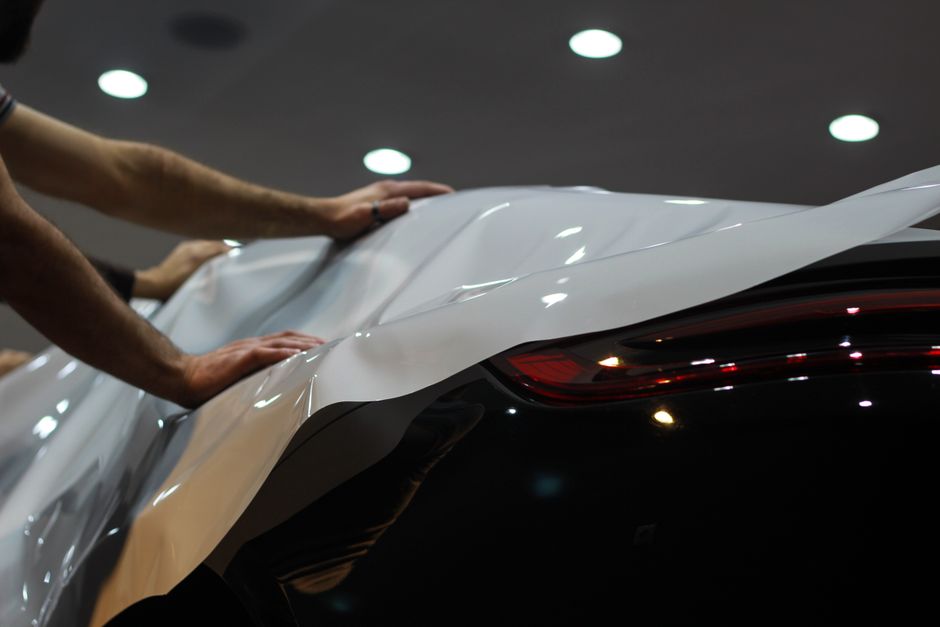
UV rays are basically kryptonite for vinyl wraps. They break down the adhesive layer, fade colors, and make the material brittle over time. This is why a wrap in San Diego ages faster than one in Portland, even with identical care.
Temperature swings are rough too. Vinyl expands and contracts with heat and cold. Over years, this cycle weakens seams and causes edge lift. Salt air (coastal areas) and road salt (winter climates) are especially destructive—they corrode the adhesive and cause rust spots on the underlying paint where wraps are removed.
Heavy rain, snow, and ice don't directly destroy vinyl, but they create moisture traps under edges and seams. That moisture is where deterioration really takes off. A simple preventative: check your wrap after storms and make sure water isn't sitting underneath.
Comparing Wrap Lifespan to Other Advertising Methods
If you're weighing vehicle wraps against other options, durability is a solid advantage. Think about traditional paint jobs: a quality automotive paint lasts 3-5 years too, but it costs way more upfront and is way harder to change. A wrap gives you color flexibility, easy removal (if done right), and comparable longevity at a fraction of the price.
Magnetic signs? They last about 2-3 years before weather and wear make them look shabby. Plus, they're way less impactful visually. Vinyl decals and spot graphics? Those fade and peel faster than full wraps because edges aren't sealed as comprehensively.
When you factor in the cost-per-year and the advertising ROI, vehicle wraps are honestly one of the smartest mobile marketing investments available. Just don't expect them to last forever.
Choosing Quality Materials and Installation
Not all wraps are created equal, and this directly affects how long yours will last. Cheap vinyl might save you a grand upfront, but you'll pay for it in premature peeling, color fade, and edge lift.
Premium vinyl (like 3M, Avery, or equivalent brands) costs more because it uses better adhesive systems, superior color stability, and thicker material that handles environmental stress better. It's an investment that pays back through longevity.
Installation quality is equally critical. A rushed job might save time but costs durability. Proper prep (cleaning, smoothing the vehicle surface, removing trim), precise measurement, careful application, and thorough edge sealing all matter. When you partner with Wholesale Signs & Printing for vehicle wraps, we handle all of that as part of our standard process. We're not cutting corners to beat a deadline.
Wholesale Signs & Printing
Get a Free Quote →Budget-Friendly Tips to Extend Your Wrap's Life
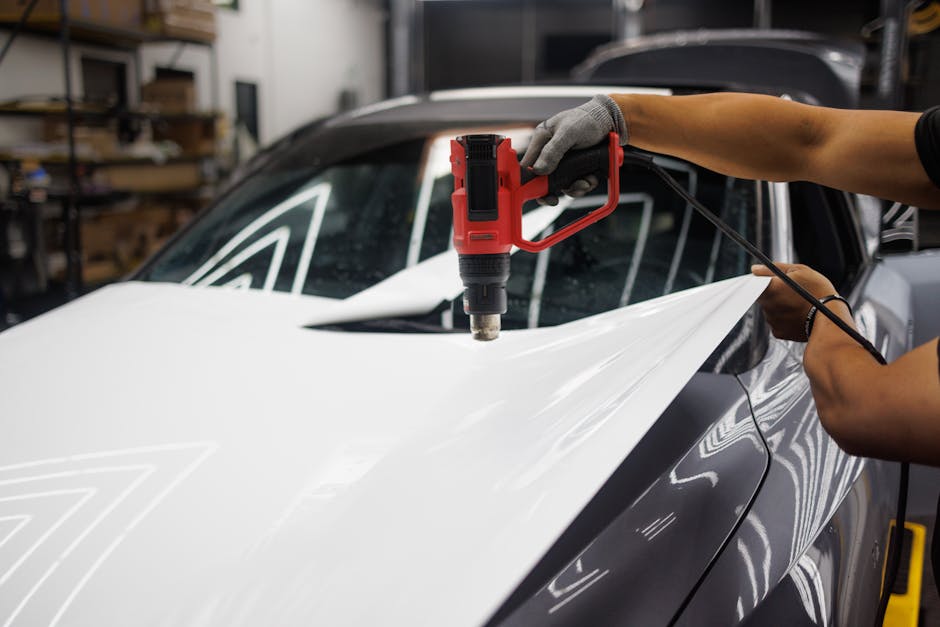
You don't need to spend extra money to protect your investment. These habits are free and incredibly effective.
- Park smart. Garage parking is ideal, but even tree shade or a carport makes a difference.
- Wash regularly. Every two weeks prevents grime buildup and keeps adhesive from degrading.
- Use a microfiber cloth. Rough towels scratch the clear coat and damage colors faster.
- Avoid harsh chemicals. Stick to mild soap and water. No wax, no bug spray, no harsh solvents.
- Inspect edges monthly. Catching lift early prevents expensive repairs later.
- Keep windows cracked during hot weather. Air circulation reduces moisture buildup under wraps.
- Be gentle during snow and ice removal. Soft brushes only—metal scrapers destroy vinyl.
When to Remove and Replace Your Vehicle Wrap
You don't have to wait for your wrap to completely fall apart. Here's how to know it's time for a replacement.
Related: Vehicle Wrap Maintenance & Care: Complete Guide
Related: Vehicle Wrap Design Best Practices: A Professional Guide
Visible Color Fade. If colors have faded noticeably and touch-ups won't help, a fresh wrap looks way better than faded branding.
Edge Lift or Peeling. If edges are peeling and you can't have them professionally resealed, replacement is cleaner than patching.
Cracks or Brittleness. Vinyl that cracks when flexed is nearing end-of-life. A new wrap performs better.
Your Branding Changed. Wraps are usually replaced because you updated your brand, logo, or contact info—not necessarily because the old one failed.
ROI Calculation. If your wrap is 6+ years old and still holding, you've already gotten solid value. A refresh keeps your mobile advertising looking professional.
The good news: removing old wraps and installing new ones is straightforward when you work with experienced installers. Your underlying paint won't be damaged if removal is done right. When you're ready to refresh your vehicle's look, Wholesale Signs & Printing handles the full process from design to removal to new installation.
Related: Vehicle Wrap Installation Process & Timeline: Full Guide
Frequently Asked Questions
How long do vehicle wraps really last in hot climates?
In hot, sunny climates (Arizona, Southern California, Florida), expect the shorter end of the spectrum: 3-4 years with good maintenance. UV intensity is the main culprit. Premium vinyl and covered parking help extend life, but heat accelerates fading regardless. If you're in a hot climate, think of year 4 as your realistic refresh point rather than year 5 or 6.
Can I wash my vehicle wrap in an automatic car wash?
Soft-touch automatic car washes are okay occasionally, but hand washing is always better. High-pressure washes and brush-style washes are off-limits—they force water under edges and can peel vinyl. Hand washing with mild soap and a soft microfiber cloth is your safest bet for long-term durability.
Will my vehicle's paint be damaged if I remove the wrap?
Professional removal doesn't damage paint. The wrap peels cleanly when removed correctly, especially within the first 5-7 years. What can happen: if a wrap sits too long (10+ years) or was applied over damaged paint, removal might reveal underlying issues. But a properly installed wrap removed by a professional leaves your paint intact. This is one of the major advantages of wraps over paint jobs—you can change your look without permanent commitment.
Do higher-end wraps really last longer than budget wraps?
Yes, noticeably. Premium materials (3M IJ540, Avery MPI series) have better adhesive chemistry, thicker vinyl, and superior UV stabilizers. A budget wrap might last 2-3 years; a premium wrap routinely hits 5-7 years with the same maintenance. The price difference is real, but the longevity difference is worth it. You're not just buying material—you're buying years of reliable performance and better color retention.
Wholesale Signs & Printing
Get a Free Quote →