
A vehicle wrap is one of the smartest ways to get your business name and message seen every day across Fullerton and beyond. Instead of letting your van, truck or car blend into traffic, a professional wrap turns it into a mobile advertisement that works for you 24/7. But before you order one, you should understand what goes into making and installing a quality wrap. The process is more involved than you might think, and each stage matters.
The Five Stages of a Professional Vehicle Wrap
Vehicle wraps aren't something you slap onto a car and hope for the best. There's a structured, five-step process that separates a cheap wrap from one that looks sharp, lasts, and actually represents your brand well.
1. Consultation: Start With Your Vision
Every wrap project begins with a conversation about what you want to achieve. During consultation, you'll discuss your goals, budget, timeline and the specific vehicle you're wrapping. A professional team will also assess your vehicle's condition, existing damage or rust, and whether the surface is suitable for wrapping.
This is the time to be honest about what you want the wrap to communicate. Are you promoting a single product or service? Do you want your phone number and website visible? Should the wrap include your logo and brand colors? Asking these questions upfront prevents expensive changes later.
2. Design: Turning Ideas Into a Visual Layout
Once your goals are clear, the design phase begins. A designer will create mock-ups that show how your branding will look on the vehicle. Modern design tools allow for accurate previews that show your wrap from multiple angles so you can see how it looks on the road, parked, and from different distances.
You'll have chances to review and request changes before anything gets printed. This is your chance to catch problems or refine the look. Never rush this step. A great design is the foundation of a great wrap.
3. Print: Getting Your Design Onto Material
Once you approve the design, it goes to the printer. The wrap material is a vinyl that gets printed with your design using industrial-grade equipment. The print quality depends on the printer's capabilities and the vinyl type you choose. There are different grades of vinyl, and higher-quality materials cost more but last longer and look better in sunlight.
The print stage is where your vision becomes real. This is why working with a professional shop that invests in quality printing equipment makes a difference.
4. Lamination: Protecting Your Investment
After printing, the vinyl wrap is laminated. Lamination applies a protective clear layer over the printed design. This layer shields your wrap from UV rays, scratches, dirt and weather. Without lamination, your wrap would fade quickly and become dull. With proper lamination, your wrap stays vibrant and protected for years.
5. Installation: The Hands-On Final Stage
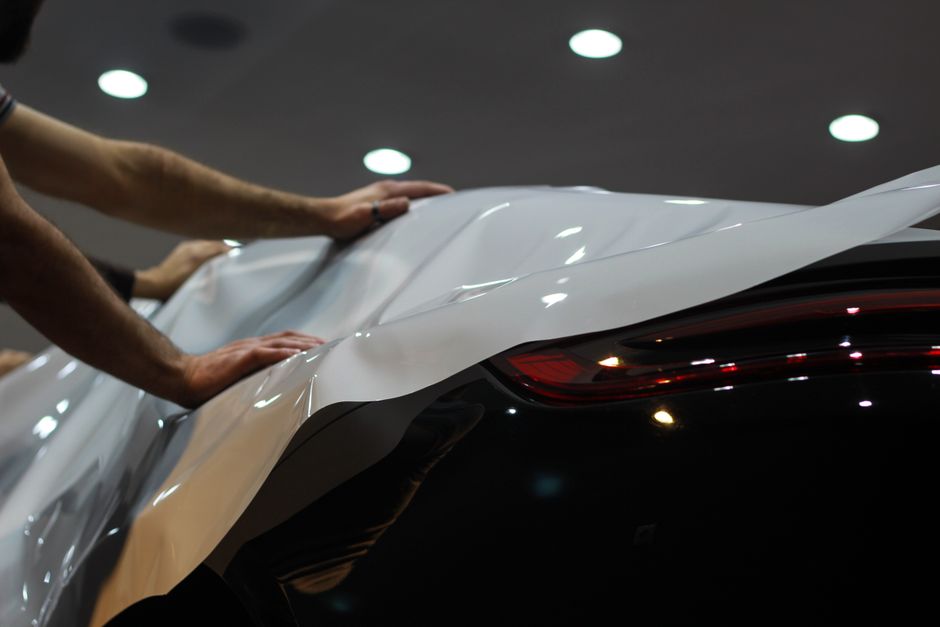
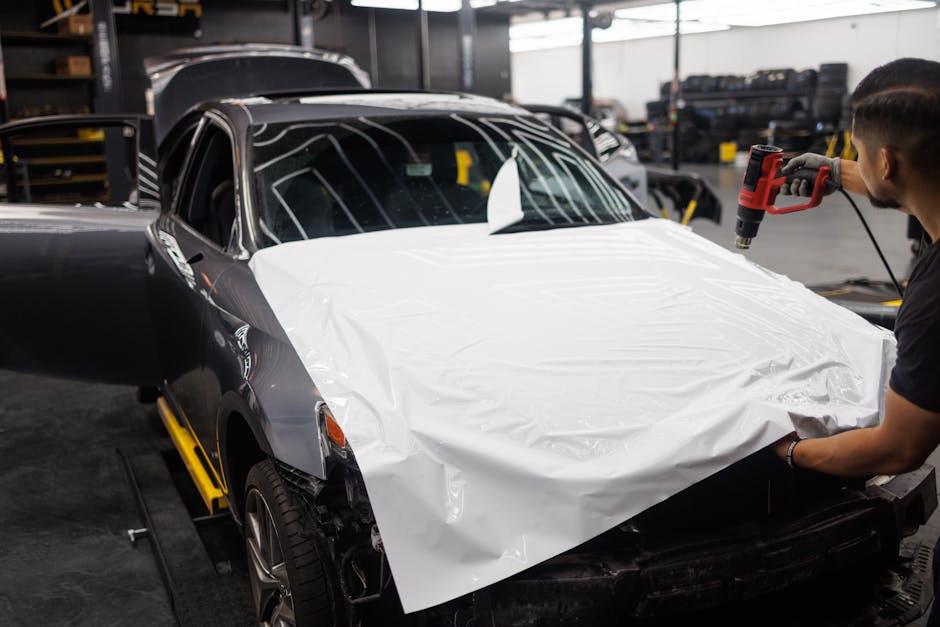
Installation is where a skilled technician applies the wrap to your vehicle. This isn't a DIY job if you want it done right. A professional installer uses heat guns, squeegees and careful technique to stretch the vinyl smoothly around curves, trim it at edges, and avoid bubbles and wrinkles.
Rushed installation leads to peeling edges, visible seams and a cheap-looking final product. Take your time here and let the pros handle it. If you're in Fullerton or nearby Orange County and need a vehicle wrap that actually looks professional, Wholesale Signs & Printing designs, prints and installs wraps that represent your business right.
Related: Vehicle Wraps in Tustin, CA: A Business Owner's Guide
Related: Truck Wraps in Corona, CA: Design, Install & Cost Guide
Related: Truck Wraps Westminster CA: Custom Vehicle Branding Guide
Related: Fleet Wraps in Garden Grove CA: Design to Installation
Related: Vehicle Wrap Design Best Practices: A Professional Guide
Related: Lobby Signs Los Angeles CA: Design & Installation Guide
Related: Sign Installation in Buena Park, CA: A Business Owner's Guide
Related: Monument Signs in Torrance, CA: Design & Installation Guide
Related: Storefront Signs La Habra CA: Design & Installation Guide
What Affects Your Vehicle Wrap Timeline and Quality
Several factors influence how long your wrap takes and how it turns out:
Related: Vehicle Wraps Long Beach CA: Design & Installation Guide
- Vehicle size and complexity. A small sedan wraps faster than a box truck. More corners and curves mean more careful work.
- Design complexity. Simple layouts move faster than designs with detailed graphics or multiple photos.
- Vehicle condition. A clean, well-maintained vehicle wraps faster than one with rust, dents or existing damage that needs prep work.
- Vinyl grade. Premium vinyl costs more and may take slightly longer to install, but it lasts longer and looks sharper.
- Approval timeline. If you delay approving the design, everything else delays too.
Full Wraps vs. Partial Wraps: What's the Difference?
A full wrap covers most or all of the vehicle's exterior. A partial wrap covers certain sections, like the sides or back. Full wraps give you maximum visibility and impact, but they're also a bigger investment. Partial wraps let you showcase your branding strategically and often cost less.
Both options work. Your choice depends on your budget, your vehicle type and how visible you want to be. Talk through this decision during the consultation phase so your designer knows what to plan for.
Choosing Between Full Wraps and Fleet Wraps
If you run a fleet of multiple vehicles, you have two approaches. You can wrap each vehicle individually with a custom design, or you can standardize the design across all vehicles so they look cohesive when they're on the road together.
Fleet wraps create brand recognition when people see multiple versions of your business rolling around town. They also streamline the design and production process when you're wrapping more than one vehicle. Wholesale Signs & Printing handles both single-vehicle and fleet wrap projects for businesses across Fullerton and Orange County.
Wholesale Signs & Printing
Get a Free Quote →Why Professional Installation Matters
You might think wrapping a vehicle is like applying a large sticker. It's not. Wrapping requires skill with heat, tension and material behavior. Vinyl stretches differently when warm. It shrinks slightly when cool. Seams need to be hidden in the right places. Edges need to be tucked, sealed and finished cleanly.
An amateur installation leads to visible bubbles, peeling edges within months, and a wrap that looks cheap or unfinished. Professional installation gives you a wrap that looks factory-quality and holds up to weather, car washes and daily use.
Getting Your Vehicle Wrap in Fullerton
When you're ready to move forward with a vehicle wrap for your business, start with a consultation. A professional wrap shop will walk you through the process, show you examples of past work, and give you realistic expectations for your project.
Request a free quote and timeline estimate. The estimate should account for all five stages: consultation, design, print, lamination and installation. Make sure you understand what's included and what happens if you need changes along the way.
Related: Sign Company Westminster CA: Design, Print & Install
If you operate a business in Fullerton or the surrounding Orange County area and want a vehicle wrap that actually turns heads and generates attention for your brand, Wholesale Signs & Printing can design, produce and install it for you. Reach out for a free quote.
People Also Ask
How long does a vehicle wrap last?
Quality vinyl wraps with proper lamination can last several years with normal use. The exact lifespan depends on your climate, how much sun exposure the vehicle gets, how often it's washed and how well it's maintained. Regular washing with gentle soap and water helps extend the life of your wrap.
Can you remove a vehicle wrap without damaging the paint?
Yes. A professional installer can remove a wrap carefully without harming the paint underneath, especially if the vehicle's paint is in good condition. The key is using the right heat and technique. If you ever want to change your wrap or sell the vehicle, removal is possible.
Do vehicle wraps work in hot or cold climates?
Vehicle wraps work in most climates, but the installation process is easier in moderate temperatures. Extreme heat can make vinyl difficult to stretch properly, and extreme cold makes it brittle. A professional installer knows how to adjust technique based on weather conditions.
Related: Vehicle Wrap Installation Process & Timeline: Full Guide
Can you wrap a vehicle with existing damage?
Minor damage like small dents or scratches won't stop a wrap. However, large dents, rust or damage that exposes bare metal should be addressed first. A wrap won't hide severe damage and may fail to adhere properly over rough or compromised surfaces. Discuss any damage with your installer during the consultation.
Wholesale Signs & Printing
Get a Free Quote →